What to pack for Uzbekistan, and what to wear
Shoes for the cobbles, a layer for the desert night, a scarf for the shrines and cash for the bazaar: a short, practical list and the reasons behind it.
Most of what you need for Uzbekistan you already own. What the country asks for is a little thought about where you will be walking, how quickly the air cools after dark, and what is expected at the door of a shrine. The list is short. The reasons are the useful part.
Shoes
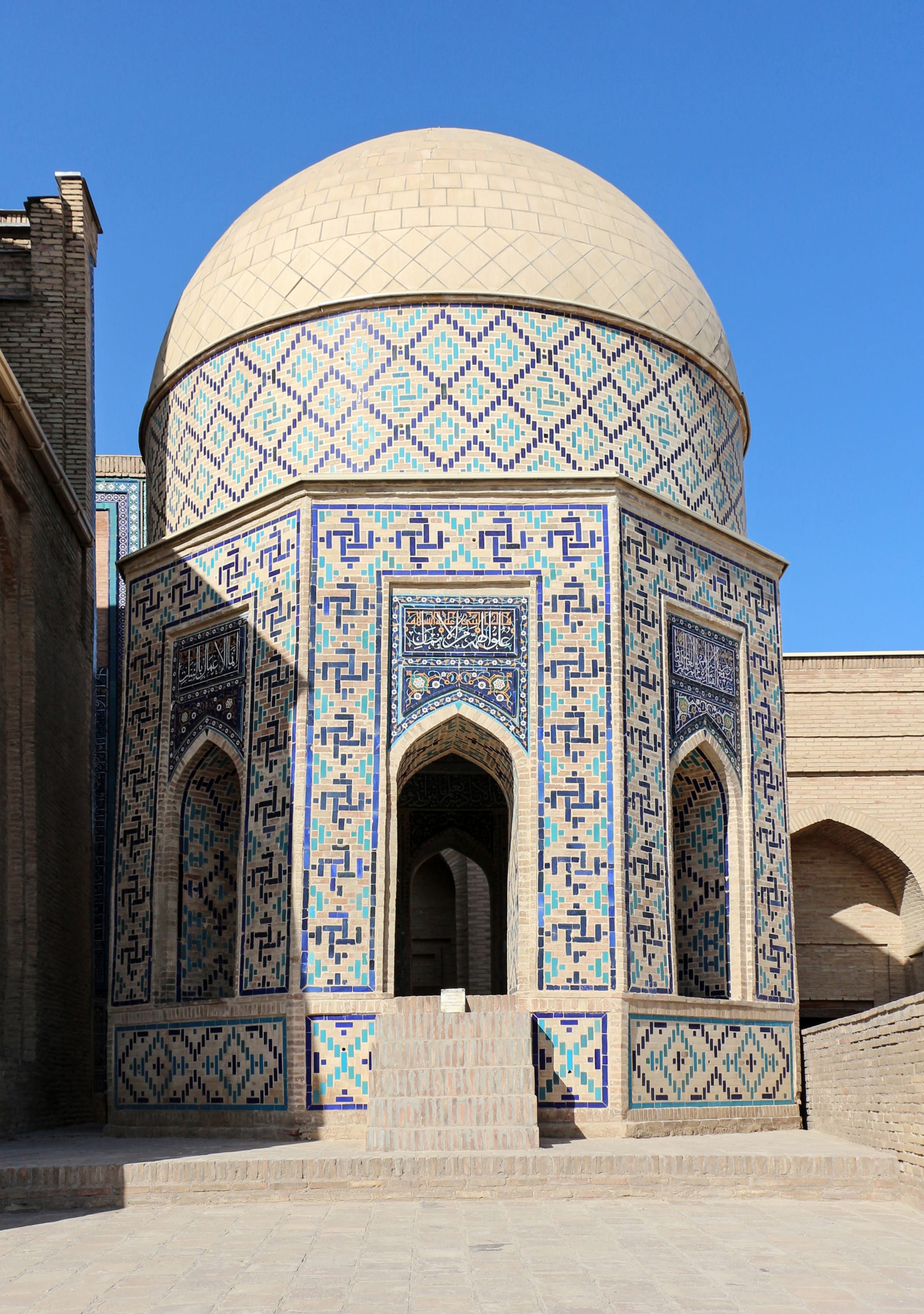
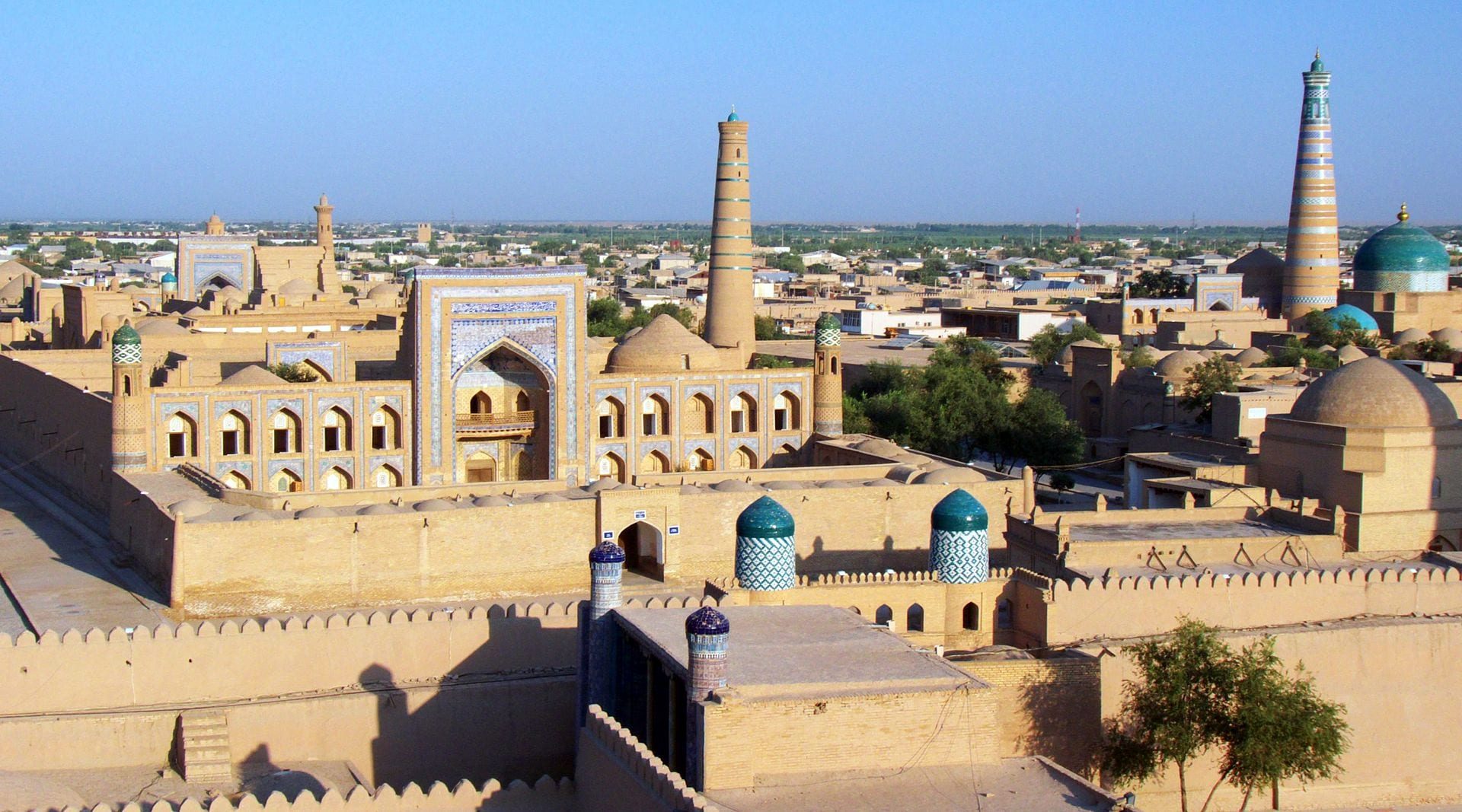
Start with the shoes, because they do the most work. The old towns are paved in worn stone and brick, and the lanes of Bukhara and Khiva are rarely level. The steps at Shah-i-Zinda are worn, and the climb up a minaret is a narrow spiral of uneven treads in half darkness. Comfortable shoes with some grip, already broken in, are the most useful thing in your bag. Sandals are good for the evening and not for the stairs. Bring socks you are happy to be seen in: shoes come off at the door of a mazar and in any home you are invited into.
Clothes
Dress in the cities is relaxed. It is modest where it matters. A mazar is a shrine where people come to pray, and inside one, as inside a working mosque, shoulders and knees are covered and a woman covers her hair with a light scarf. A scarf folded in a bag weighs nothing and settles the question whenever it comes up. In summer, linen and cotton are the fabrics, and long sleeves are a better defence against the sun than bare arms.
Pack a warm layer in every season. The desert cools fast once the sun is down, the mountains above Tashkent are cooler than the city, and the Afrosiyob is air-conditioned and runs cool. A fleece or a light jacket covers all three. In winter the nights fall below freezing in every city, and well below it in Khiva and Karakalpakstan, the coldest lowland in the country. You will want a proper coat, a hat and gloves. The old towns are at their emptiest then, and worth the wrapping up.
Sun and dust
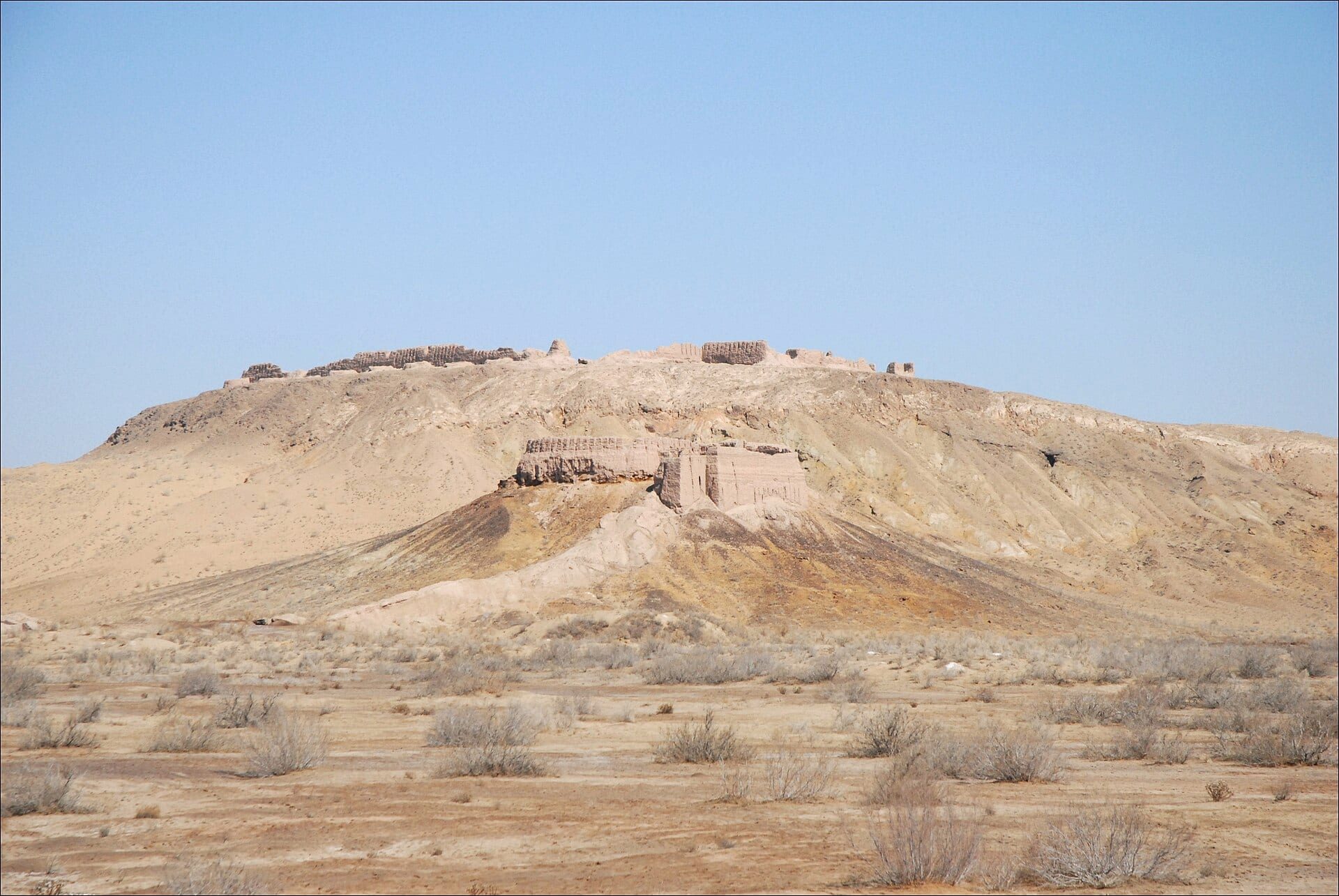
From April to October the sun is strong, and the tilework gives it back. A hat with a brim, sunglasses and sunscreen belong near the top of the bag. The road across the Kyzylkum between Khiva and Bukhara is long and dusty, six to eight hours of it, and the dust finds its way into the car; the scarf does second duty here. The air is dry in every season, so lip balm earns its place. Carry a refillable bottle. The tap water is not for drinking, and one bottle you can refill from a large one, bought at any shop, saves a trail of small ones.
Money and papers
The currency is the som. Cards are accepted in city hotels and larger shops, but the bazaars and the smaller towns run on cash, and so does most of what is best in them. Cash machines are easy to find in the cities and scarce beyond them, so draw what you need before a day on the road. A bank changes money at a fair rate, and it will ask for your passport.
Keep the passport to hand in any case: hotels need it to check you in, and each stay is registered. Some hotels hand you a slip to show it was done. Keep every slip until you leave the country. You may never be asked for them, and it is easier to have them than to explain their absence.
Small things that matter
The plugs are the European two-pin kind and the supply is 220 volts. A power bank is worth its weight on a long drive, when the phone is map and camera at once. At a yurt camp a small torch is the difference between finding the path after dark and guessing at it.
Bring the basic medicines you would take anywhere, and anything prescribed in enough quantity for the whole journey, with a copy of the prescription in case a question is asked at the border. A small first-aid kit covers the blister from the stairs. Wet wipes are useful more often than seems reasonable. And a cloth bag, folded flat, for the bread and fruit you will be given, because you will be given them.
What to leave at home
The drone. Flying one needs a permit, which is rarely granted, and one brought in without a permit is likely to be taken from you at customs and held until you leave. Anything formal: nothing in the country requires it, and a clean shirt is as dressed as the evening gets. The heavy guidebook. Your private guide is the book, and a better one, because a guide answers questions.
Before you go
A list like this can only be general. What you need in Khiva in July is not what you need in Chimgan in October, and a journey that crosses the desert to a yurt camp asks for different things from one that stays on the train. Before you leave, your travel designer sends a short list fitted to the season and the route you have chosen. Pack from that, and pack light. The bazaars will fill the space.