Experiences
Ways into the country: architecture, craft, food, desert, mountains, and the roads between.
All experiences
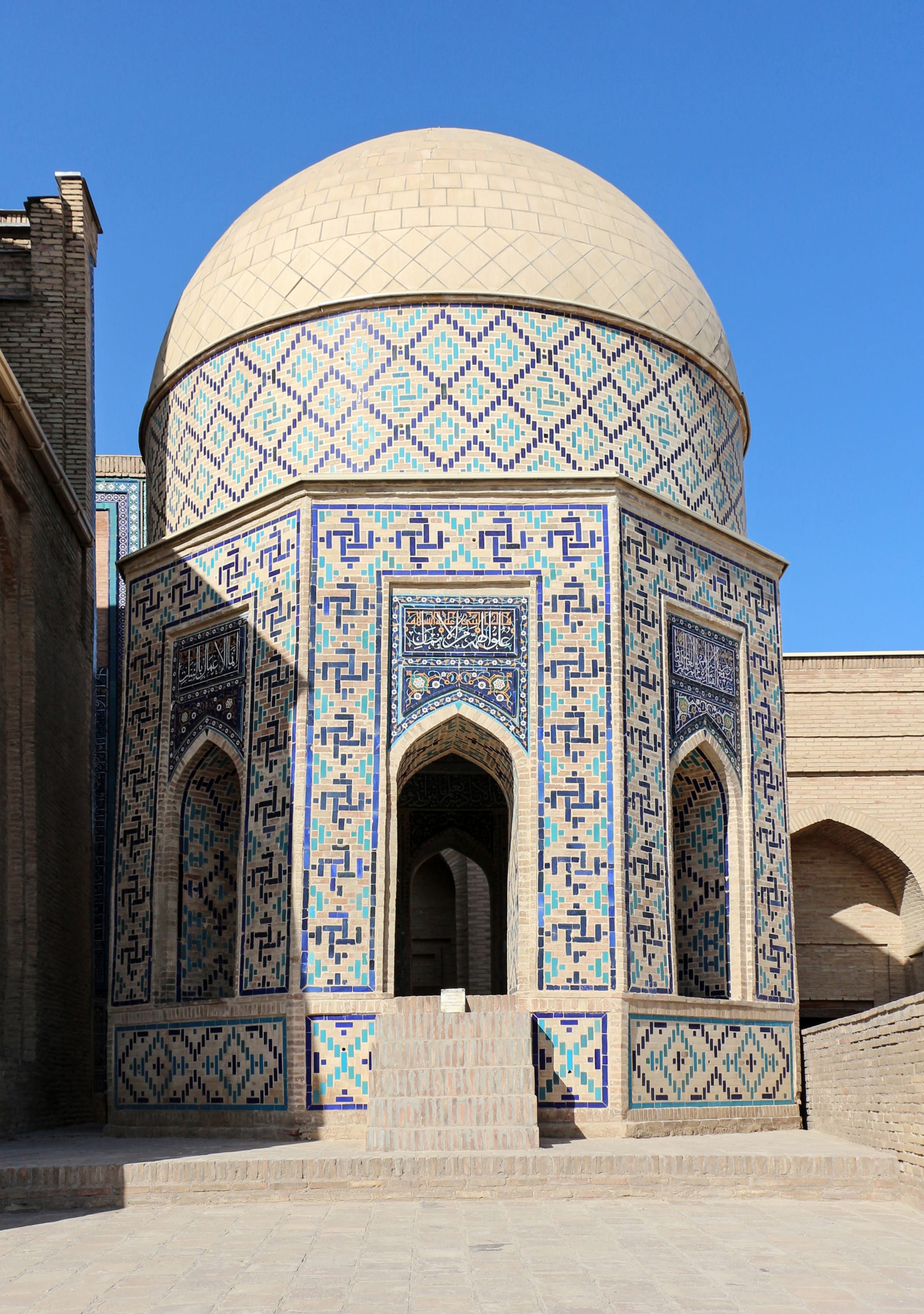
Silk Road architecture
The great cities of the Silk Road taken as an architecture-led journey: the Registan, Shah-i-Zinda, Po-i-Kalyan and Itchan Kala, seen at the hours when the tiles hold the light, with a private guide who reads the buildings.
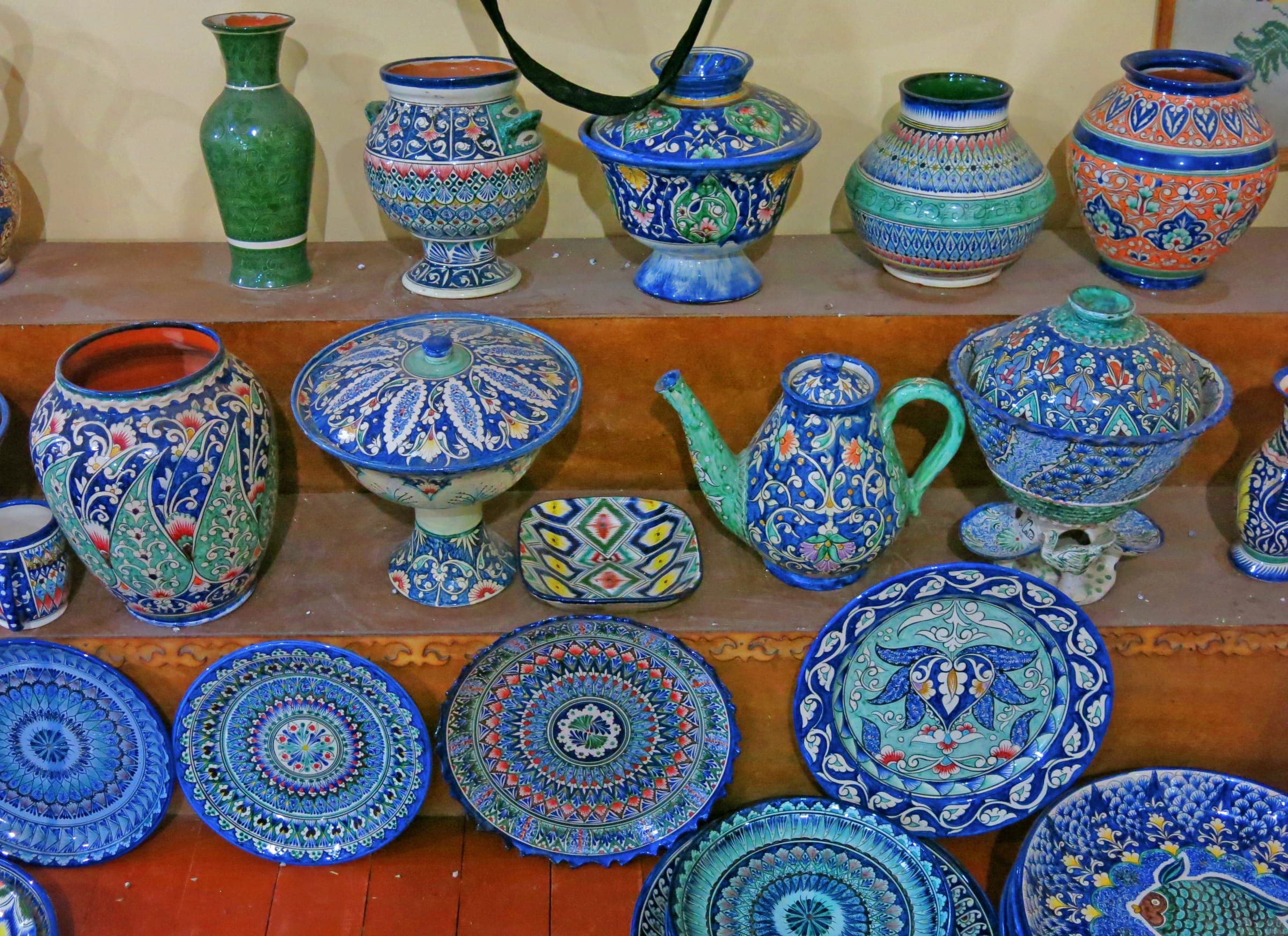
Craft ateliers
Time in working ateliers rather than souvenir rooms: ceramics in Rishtan, ikat silk at a working factory in Margilan, woodcarving in Kokand, gold embroidery, suzani and miniature painting in Bukhara, with the makers themselves.
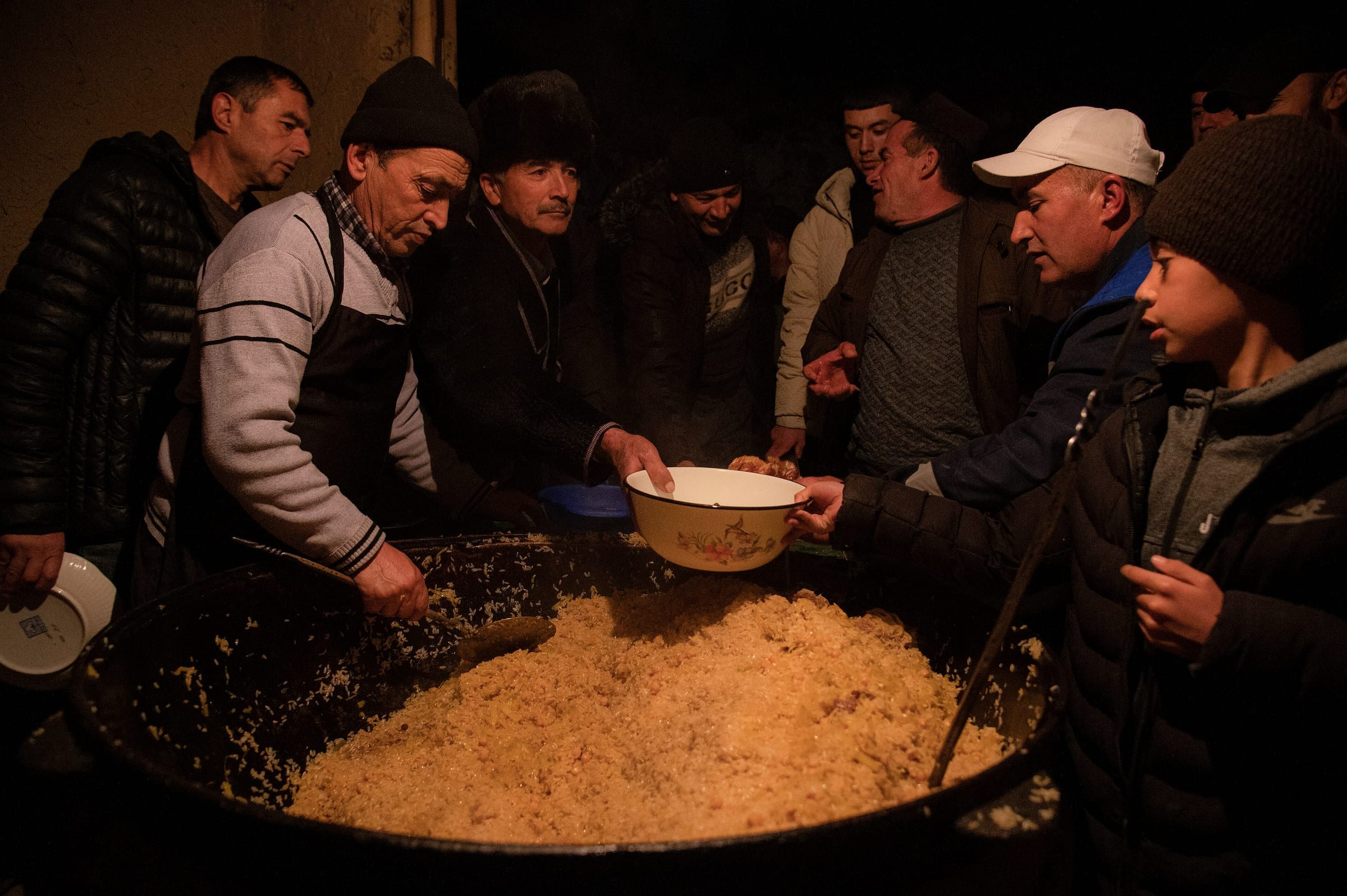
Food and bazaars
Plov cooked in a kazan, Samarkand bread, the Chorsu and Siab bazaars, melons and apricots in season, home-cooked meals in Bukharan courtyards and a wine tasting in Samarkand: the country seen from the table.
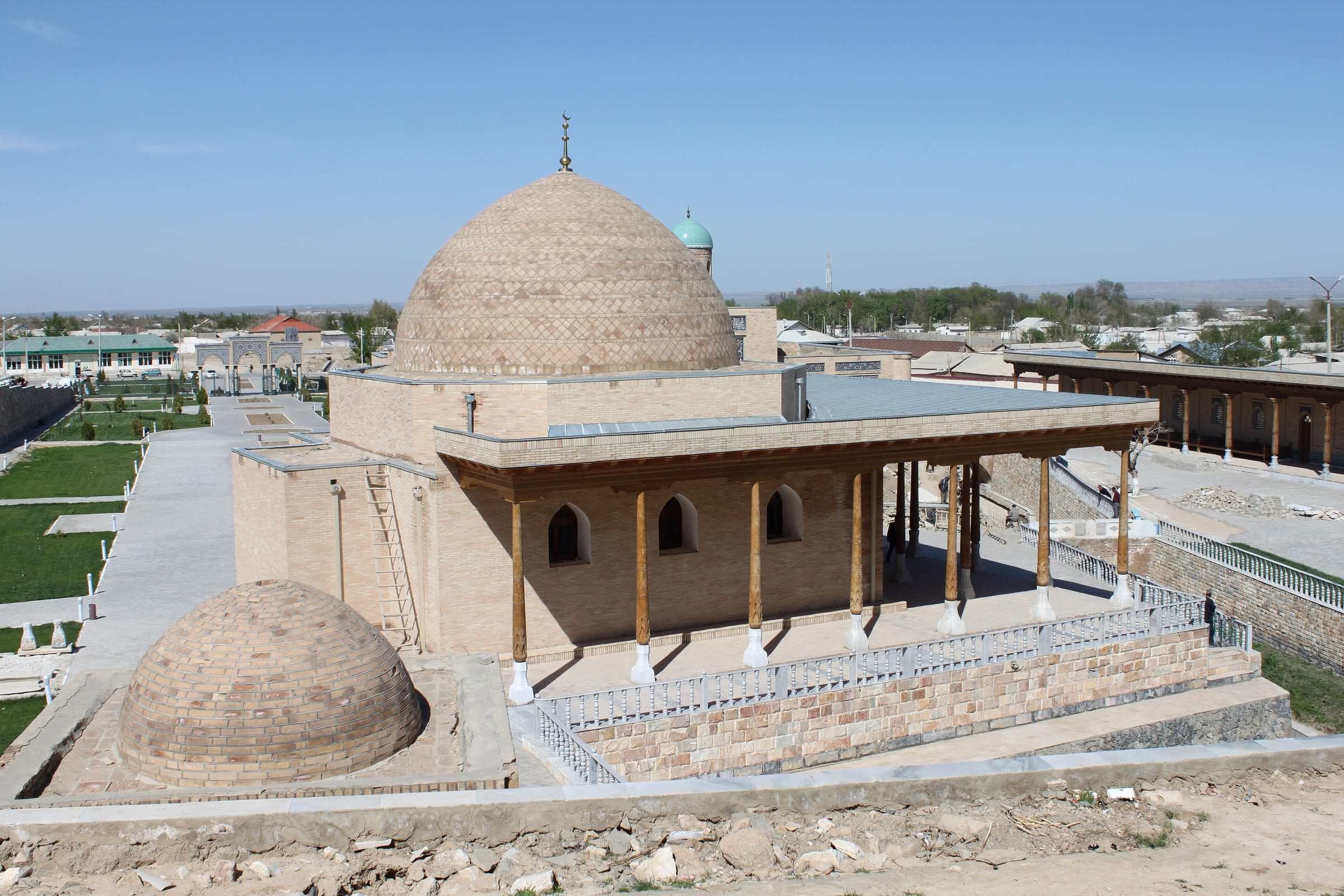
Shrines and sacred places
Uzbekistan’s shrines taken as living places of prayer rather than monuments: the Hazrati Imam complex and its ancient Qur’an in Tashkent, Shah-i-Zinda, the mausoleum of Bahauddin Naqshband outside Bukhara, the sacred spring at Nurata and the necropolis of Mizdakhan, visited in the quiet hours.
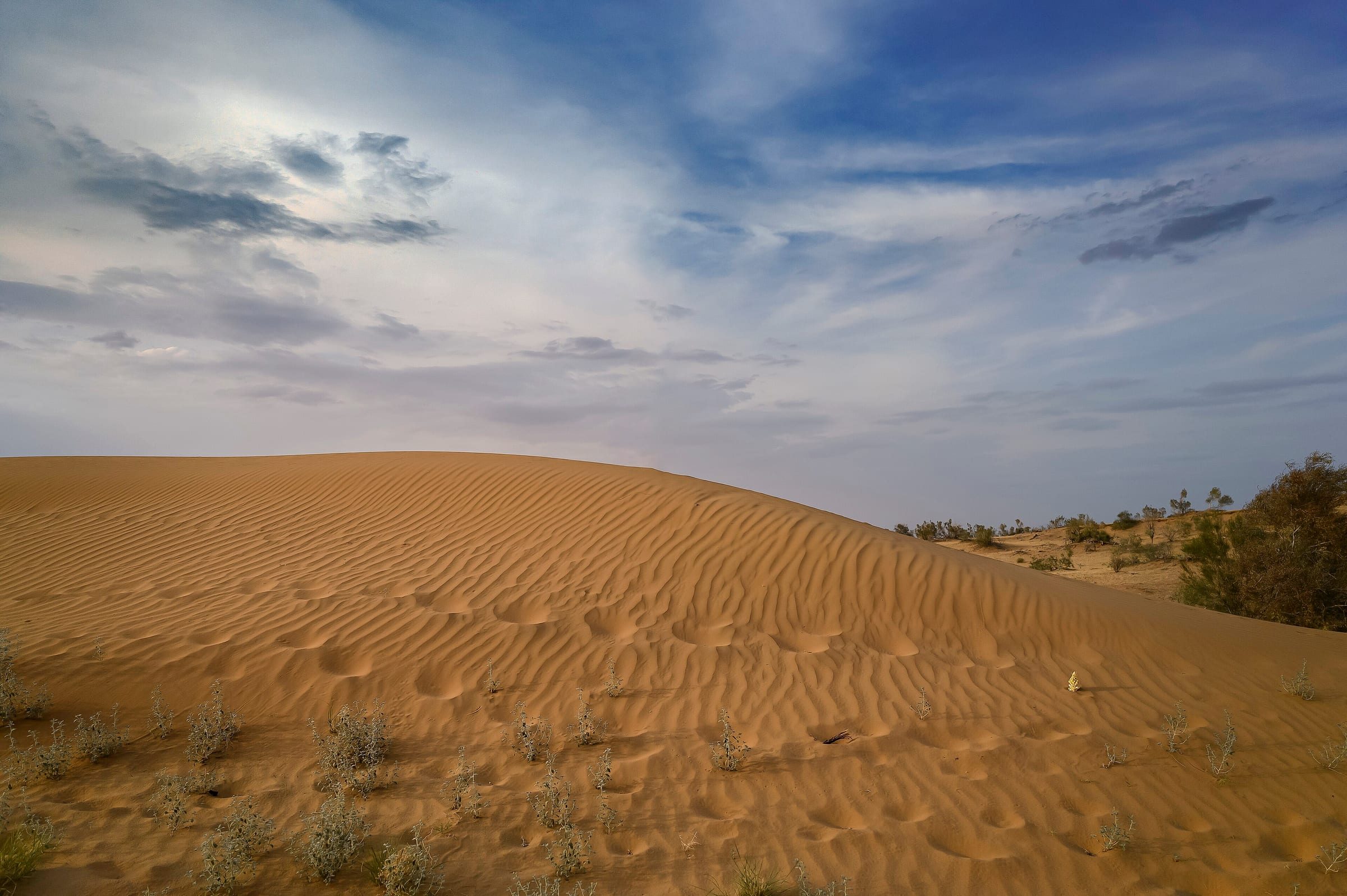
Desert and yurts
The Kyzylkum lies between the Silk Road cities, and the best way through it is slowly: the sacred spring at Nurata, the shore of Aydarkul, a camel at dusk and a night in a felt yurt under a sky the cities never show you.
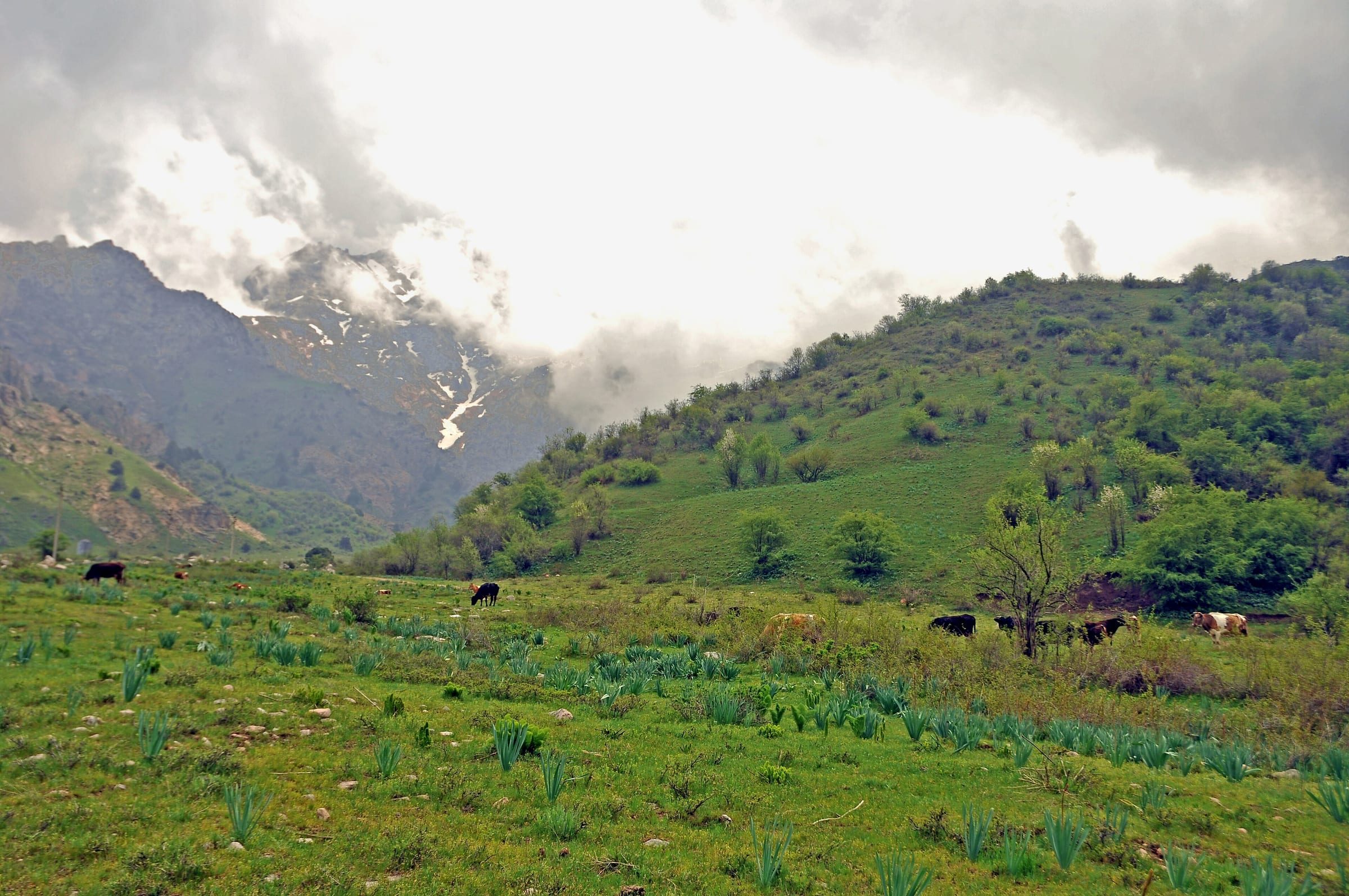
Mountains and valleys
An hour and a half from Tashkent the Tian Shan begins. Chimgan and Beldersay above the turquoise water of Charvak, and far to the west the walnut villages of the Nuratau range, where families keep the guest rooms and the walking starts at the door.
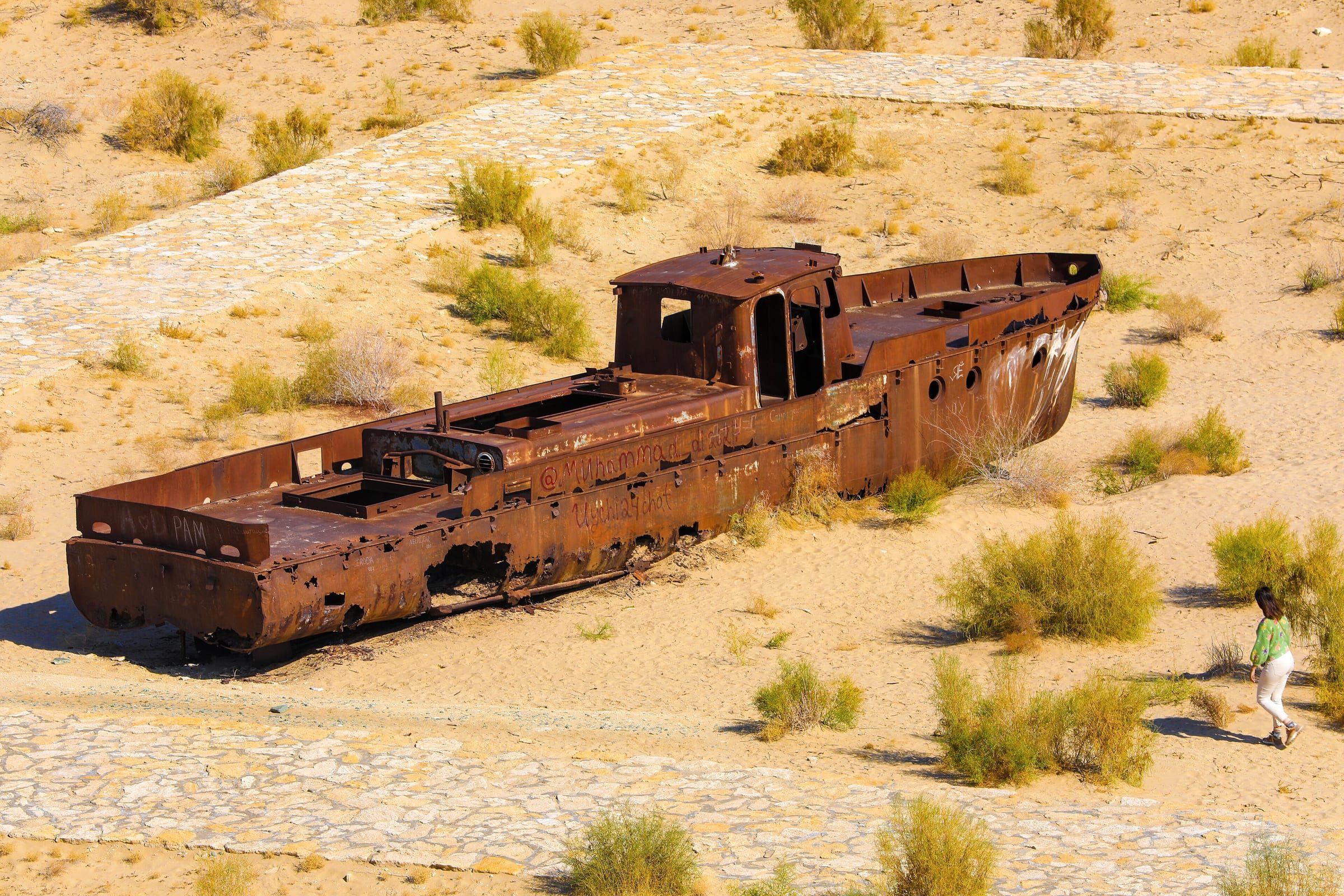
The Aral Sea and Karakalpakstan
Beyond Khiva the country empties. A museum of once-banned painting in Nukus, fishing boats on the dry seabed at Muynak, the mud fortresses of ancient Khorezm and a night in a yurt beneath them: a week of its own, or an extension from Khiva, for travellers who want to go where almost no one does.
Begin your journey
Tell us when you would like to travel and what you would like to see. One designer will reply within one working day.